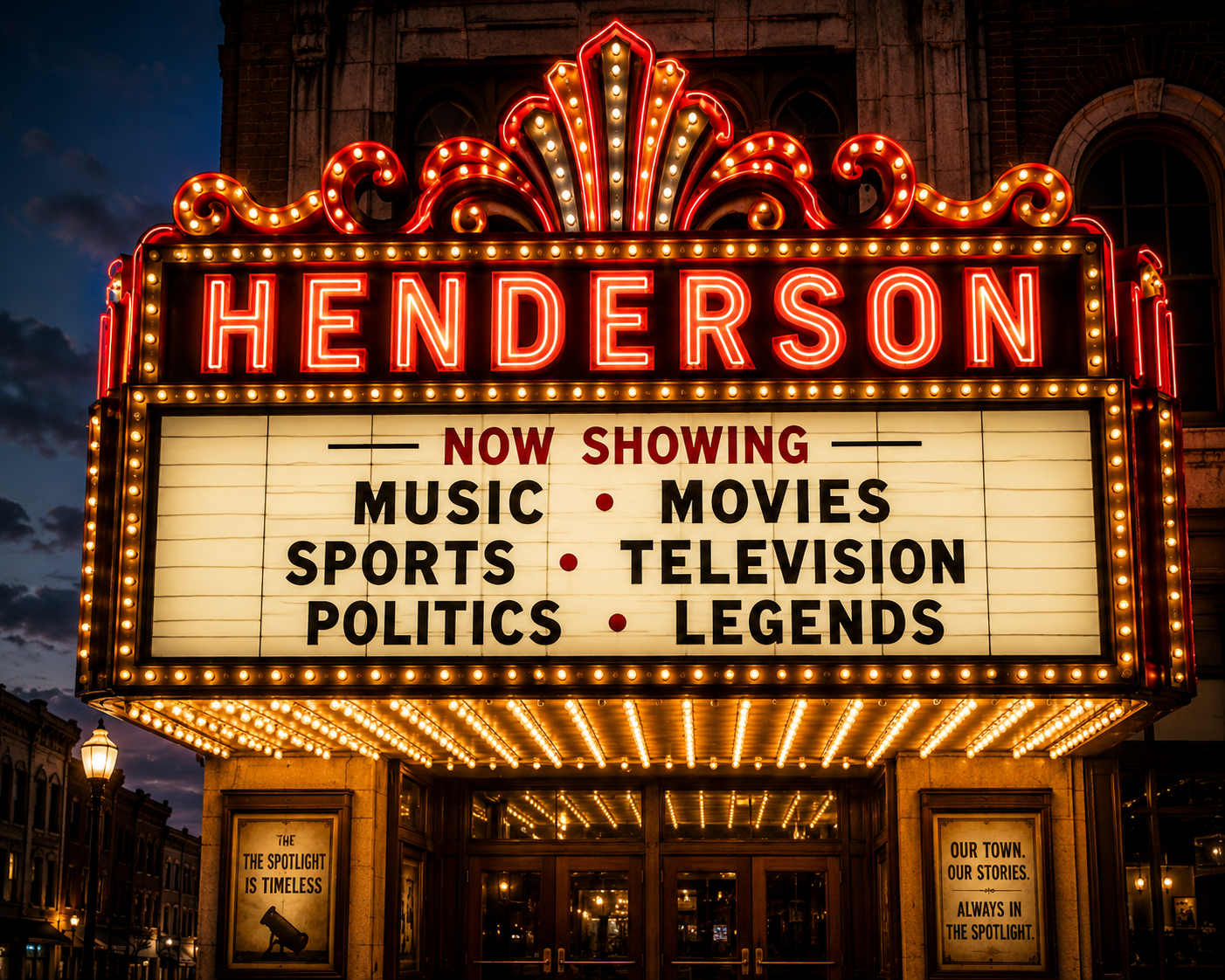

Henderson in the Spotlight
From River Sounds to Movie Sets
Opening — “Why Here?”
Welcome to Henderson, Kentucky…
A place that doesn’t look like it should be famous…
…but somehow is.
Not in one way.
Not in one era.
But over and over again.
Through music…
Through television…
Through sports…
Through Hollywood…
…and sometimes simply by being in the right place…
at exactly the right time.
This is a place where—
A young musician began understanding a sound that would change American music…
A boy from Niagara grew up to become one of country television’s most recognizable faces…
A Henderson County politician stood behind Jackie Robinson…
A dirt racetrack helped sharpen a future NASCAR champion…
A quiet Main Street house became part of one of America’s most beloved movies…
And a local filmmaker helped convince audiences that three people had vanished in the woods.
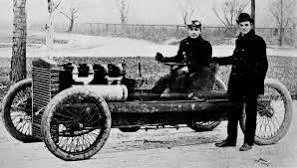
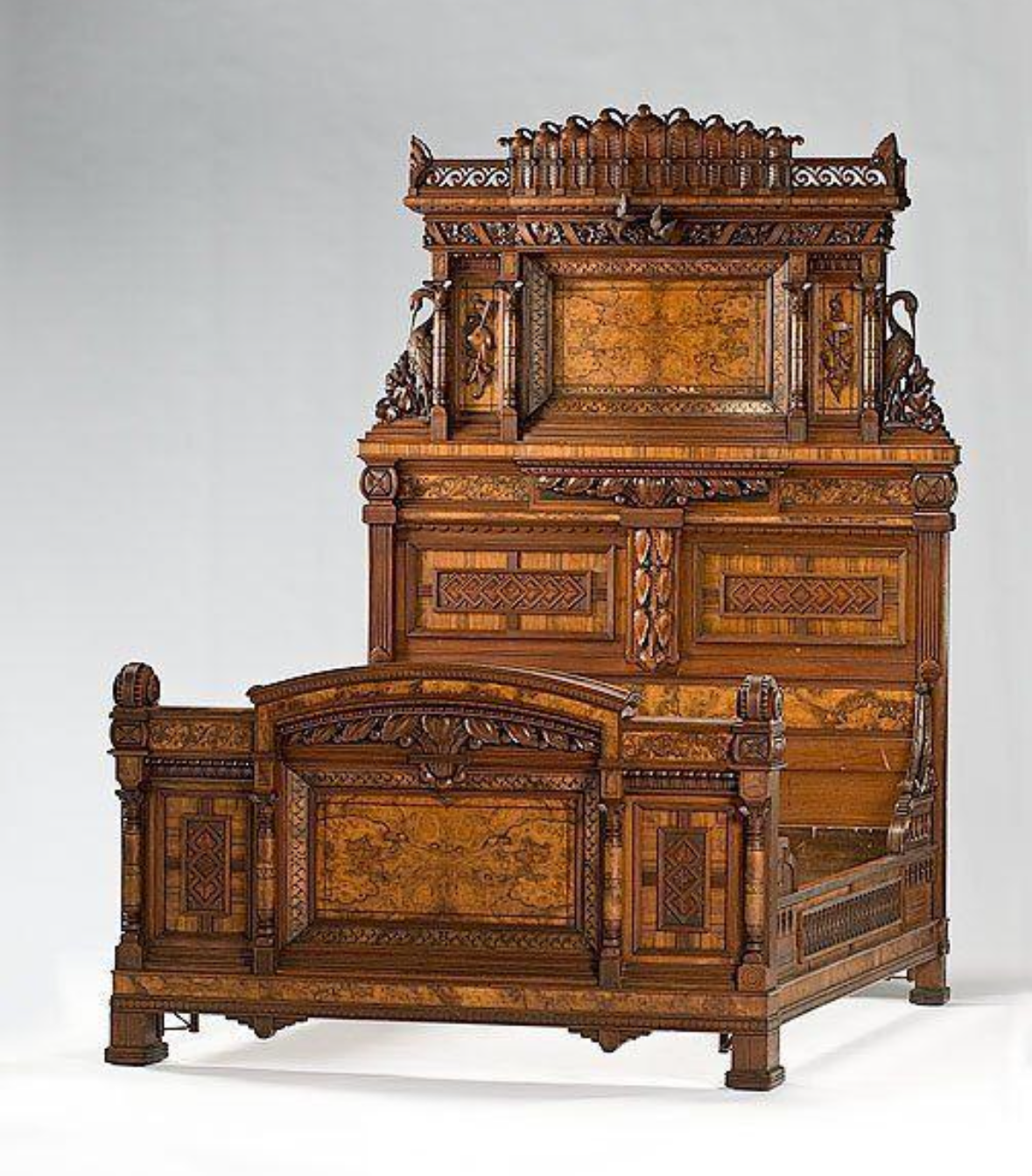
There are even stories—some documented, some passed down as local folklore—about Henry Ford admiring a Henderson bed…
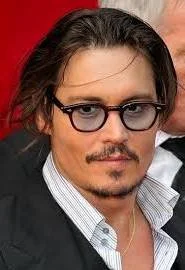
and a young Johnny Depp possibly coming here to buy shoes.
So here…
we’re not just talking about famous people.
We’re talking about connections.
The strange and unexpected moments when Henderson found itself close to the spotlight—
sometimes creating it…
sometimes hosting it…
and sometimes standing quietly in the background while the rest of the world watched.
And to understand how that happened…
we have to begin before television…
before talking pictures…
and before anyone had ever heard the words “rock-and-roll.”
We begin with a sound.
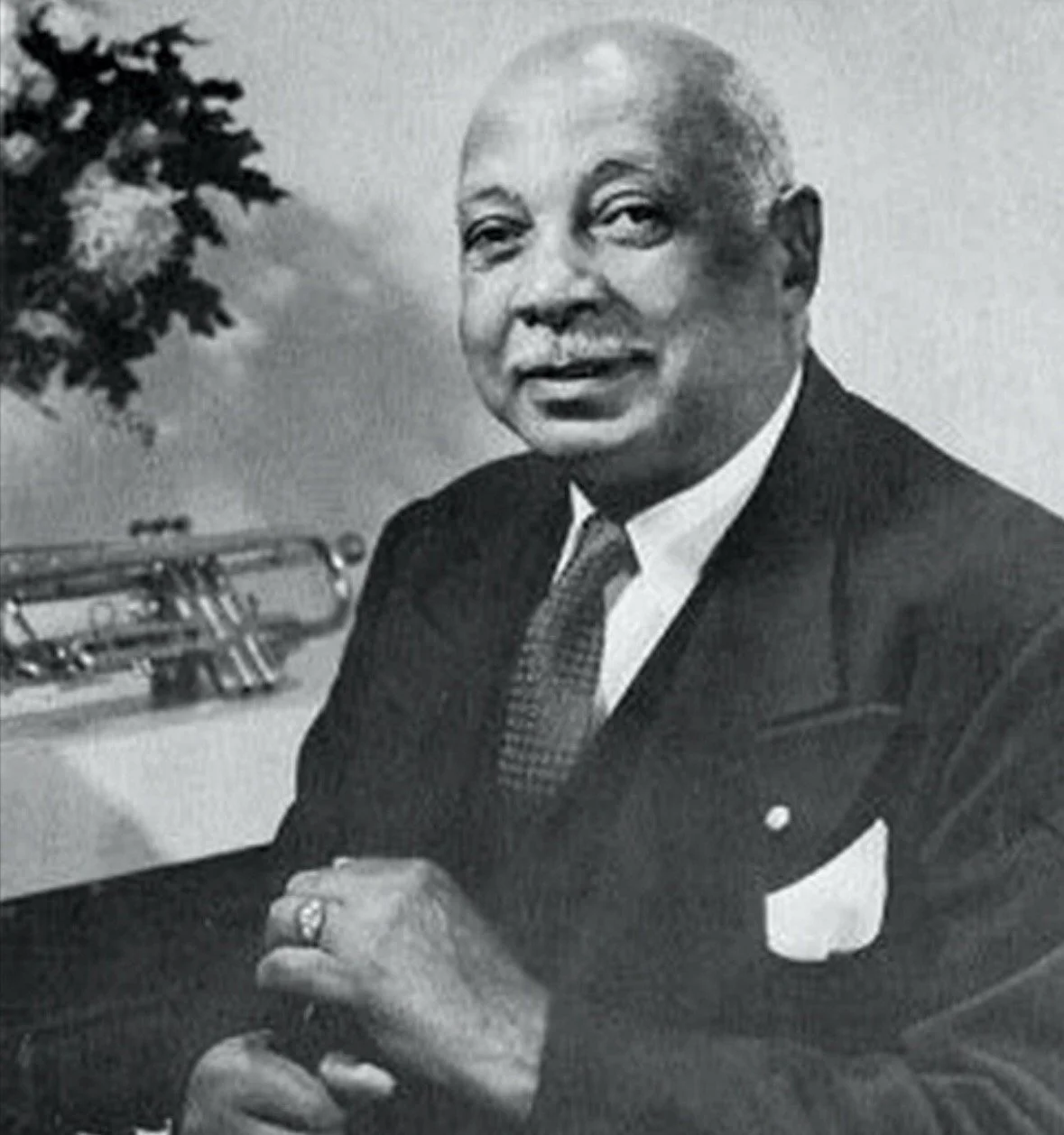
W. C. Handy — Hearing the Future
In the 1890s, a young musician named W. C. Handy came to Henderson.
He was educated.
Classically trained.
Ambitious.
But the sound that changed him wasn’t waiting inside a concert hall.
It was outside.
Along the railroad…
along the river…
among workers, travelers, laborers, and musicians playing music that had never been written onto a page.
Handy heard bent notes.
Sliding tones.
Rhythms that didn’t obey the formal rules he had learned.
Music that sounded worn…
restless…
hopeful…
and honest.
He didn’t invent that music.
Its roots ran much deeper, growing from generations of Black experience and musical tradition.
But Handy recognized its importance.
He understood that the sounds he was hearing could be remembered…
arranged…
written down…
and carried beyond the places where they had begun.
Years later, Handy said that he did not write songs while living in Henderson—but Henderson helped him realize that the experiences he had witnessed and the sounds he had heard could become a distinct form of music.
That realization helped shape the career of the man who would become known as—
The Father of the Blues.
And once the blues entered the mainstream of American music…
it changed almost everything that followed.
Jazz.
Rhythm and blues.
Rock-and-roll.
Soul.
Modern country.
Popular music as we know it.
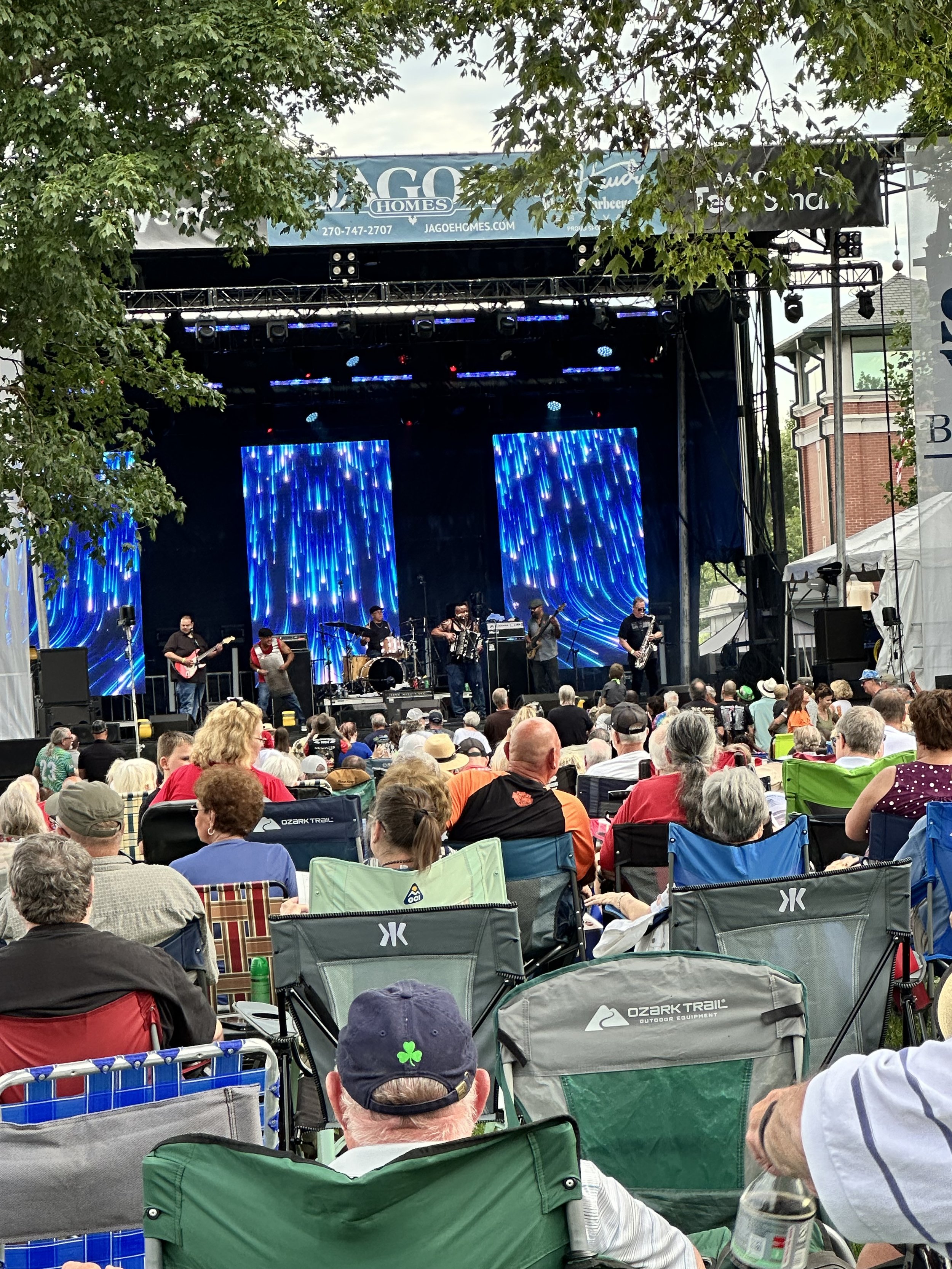
So when music echoes along Henderson’s riverfront today…
it isn’t just entertainment.
It carries a connection to the years when W. C. Handy was still listening…
still learning…
and beginning to understand the sound that would shape the future. (Handy Blues)
Grandpa Jones — Henderson County Reaches Television
A few years after Handy’s time in Henderson, another future music legend was born nearby.
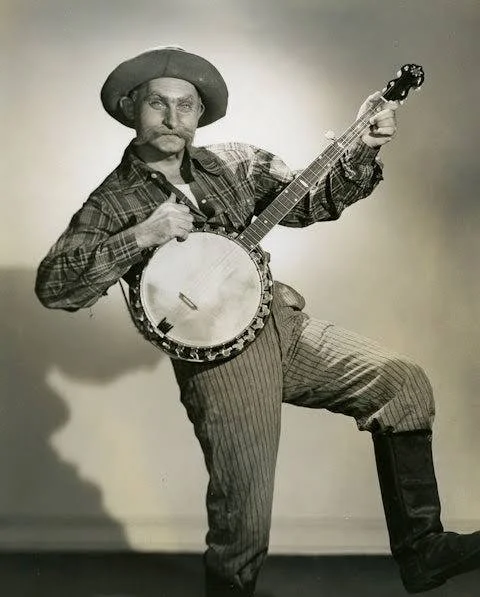
In 1913, Louis Marshall Jones was born in Niagara, in Henderson County.
The world would eventually know him as—
Grandpa Jones.
The name makes it sound as though he began his career as an old man.
He didn’t.
The “Grandpa” character was created while Jones was still young—a comic persona built around an old-fashioned wardrobe, exaggerated mannerisms, quick humor, and the kind of energy that made audiences immediately remember him.
But the music behind the character was real.
Claw-hammer banjo.
Old-time country songs.
Gospel music.
Front-porch storytelling.
The kind of entertainment that could fill a room long before anyone owned a television.
Jones carried that sound into radio, recordings, and the Grand Ole Opry.
Then television made him a national personality.
On Hee Haw, Grandpa Jones became one of the most recognizable faces in country entertainment.
Millions of viewers watched him sing, joke, perform, and preserve a style of music that might otherwise have disappeared beneath the slicker sounds of modern Nashville.
He helped prove that old music did not have to remain in the past.
It could live on television.
It could reach new generations.
It could still make people laugh.
And no matter how large the audience became…
somewhere beneath the costume and comedy…
it still sounded like the rural Henderson County community where his story began. (WBIR)
Henderson Reaches Early Hollywood
Henderson’s connection to entertainment did not stop with music.
As motion pictures grew from silent novelty into a national industry,
Henderson produced at least one performer who became part of Hollywood’s early era.
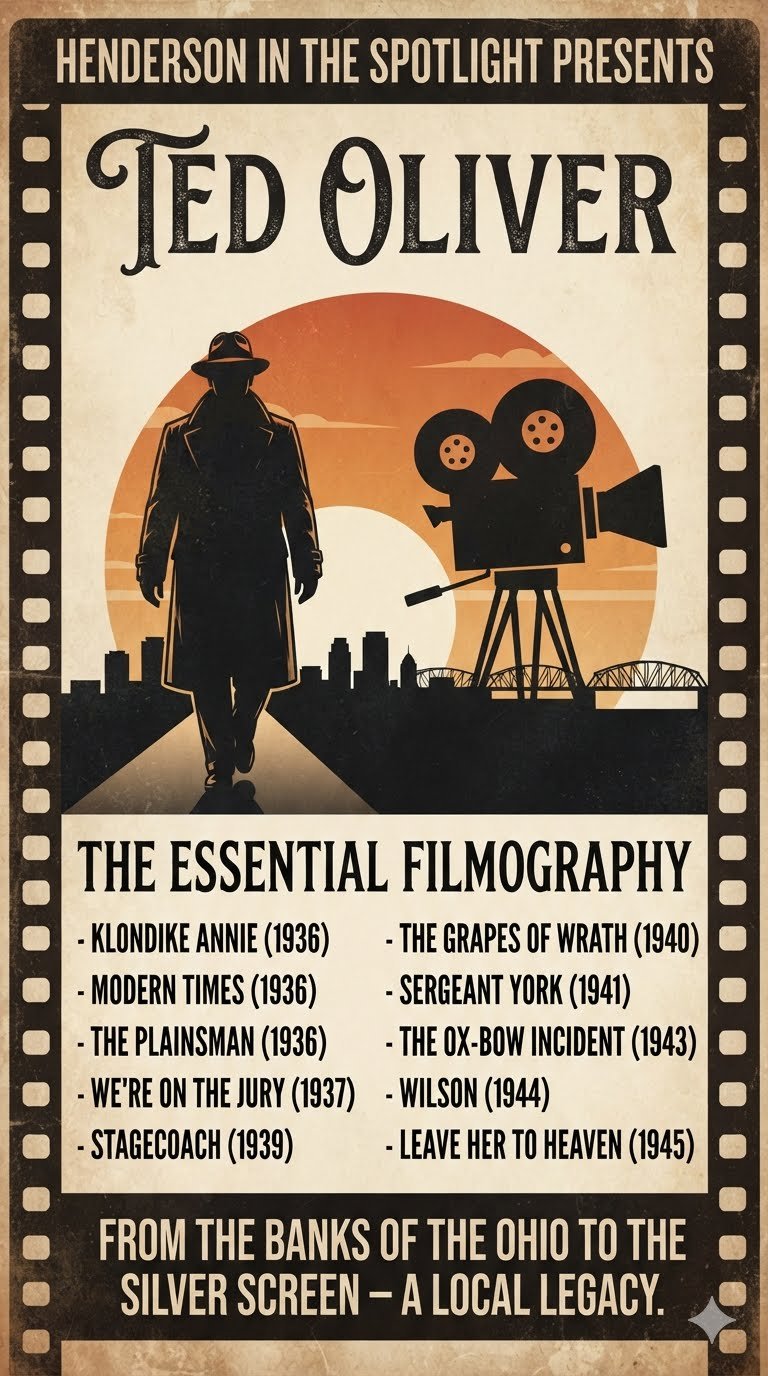
Ted Oliver was born in Henderson in 1892.
He appeared in dozens of films during the 1920s, 1930s, and early 1940s.
Many of the pictures from that period have faded from public memory.
Some early films no longer survive at all.
The fragile film stock deteriorated.
Prints were destroyed.
Studios discarded movies once they believed their commercial lives were over.
Entire performances disappeared.
But some of Oliver’s work remains connected to recognizable pieces of film history—including an appearance in Charlie Chaplin’s Modern Times.
Think about that for a moment.
A Henderson-born actor became part of a Chaplin movie.
Chaplin was not merely a star.
He was one of the first truly global faces of popular entertainment.
Audiences who may never have heard of Henderson, Kentucky, watched a man born here appear inside one of Hollywood’s defining eras.
Henderson was not yet a filming location.
But it had already sent one of its own into the movies. (IMDb)
Happy Chandler, Jackie Robinson, and America’s Game
By the 1940s, professional baseball had become more than a sport.
It was radio entertainment.
Newspaper drama.
National mythology.
Baseball players were among America’s most recognizable public figures.
But the game that called itself the national pastime excluded Black athletes from Major League Baseball.
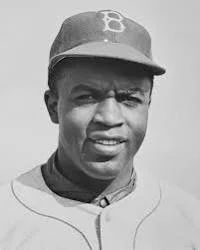
Then came Jackie Robinson.
Brooklyn Dodgers executive Branch Rickey selected Robinson to break baseball’s color barrier.
But Rickey and Robinson still needed the support—or at least the approval—of the man overseeing Major League Baseball.
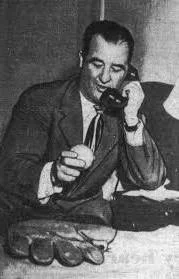
That man was Commissioner A. B. “Happy” Chandler…
born in Corydon, in Henderson County.
Chandler had been governor of Kentucky and a United States senator before becoming baseball commissioner in 1945.
As commissioner, he had the authority to challenge or void Robinson’s contract.
He did not.
He supported Robinson’s entry into the major leagues and later defended integration when players and teams threatened resistance.
Chandler’s role should not replace the courage of Jackie Robinson.
Robinson was the man who stepped onto the field…
faced the abuse…
carried the pressure…
and changed the game.
Branch Rickey was the executive who planned the move and chose Robinson.
But when the moment reached the commissioner’s office, a Henderson County native stood on the side of integration.
Jackie Robinson debuted for the Brooklyn Dodgers on April 15, 1947.
That moment became one of the most famous events in sports history.
It has been remembered through books…
documentaries…
television programs…
museum exhibits…
and movies such as 42.
Happy Chandler deserves a separate story because his life stretched far beyond this single decision.
But no Henderson pop-culture story would be complete without recognizing that when Jackie Robinson changed America’s game…
a local connection stood behind him. (Baseball Hall of Fame)
Sam Ball — Henderson Under the Super Bowl Lights
Professional football was also growing into a television spectacle.
And Henderson placed one of its own directly beneath its brightest lights.
Sam Ball was born in Henderson in 1944.
He became an outstanding football player and was selected in the first round of the 1966 NFL Draft.
Ball played offensive line for the Baltimore Colts.
That placed him inside one of professional football’s most memorable eras—when the Super Bowl was still new and television was transforming the NFL into a national obsession.
Ball appeared in Super Bowl III…
the game remembered for Joe Namath’s guarantee and the New York Jets’ stunning upset of Baltimore.
Two years later, Ball and the Colts returned.
This time they won.
The Baltimore Colts defeated the Dallas Cowboys in Super Bowl V.
And that championship became Sam Ball’s final professional game.
Imagine ending an NFL career that way—
not during an ordinary afternoon…
not quietly fading from the roster…
but leaving the field as a Super Bowl champion.
A Henderson athlete had reached one of the largest stages in American entertainment…
and walked away with the trophy.
Darrell Waltrip — Before “Boogity, Boogity, Boogity”
Henderson’s racing story began long before stock-car racing became a polished television product.
At the old Ellis Speedway, crowds gathered for dirt-track racing.
The cars were loud.
The track was unforgiving.
The facilities were nothing like the massive speedways NASCAR would later fill.
There were no elaborate television graphics.
No national sponsorship campaigns.
No carefully packaged celebrity image.
There was dirt…
noise…
risk…
and a driver’s reputation.
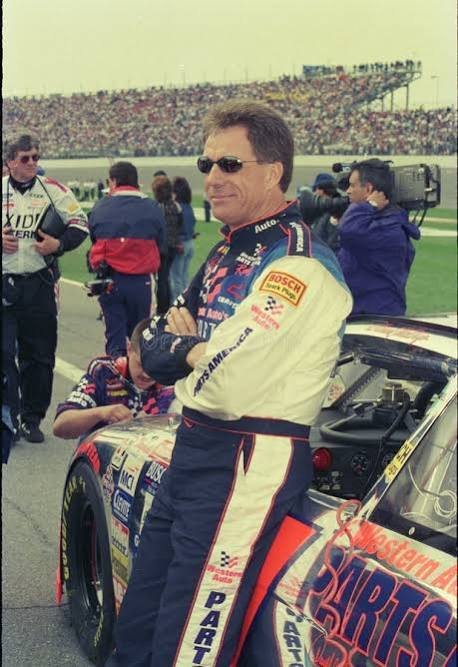
Among the young racers who competed in Henderson was Darrell Waltrip.
Before the NASCAR championships…
before the Daytona 500 victory…
before the television booth…
and before “Boogity, boogity, boogity” became one of racing’s most recognizable calls…
Waltrip was sharpening his ability on regional tracks.
A place like Ellis Speedway did not care how famous a driver might become.
It only revealed what he could do at that moment.
Could he control the car when it began sliding?
Could he find a line through the dirt?
Could he hold his nerve with another driver beside him?
Waltrip could.
He went on to win three NASCAR Cup Series championships and became one of the sport’s most recognizable personalities.
Later, television introduced him to a new generation that may never have seen him race.
But before millions knew his voice…
Henderson crowds had heard his engine.
Ellis Park — Watching Fame Before It Happens
Beside Henderson sits another kind of stage.
Ellis Park.
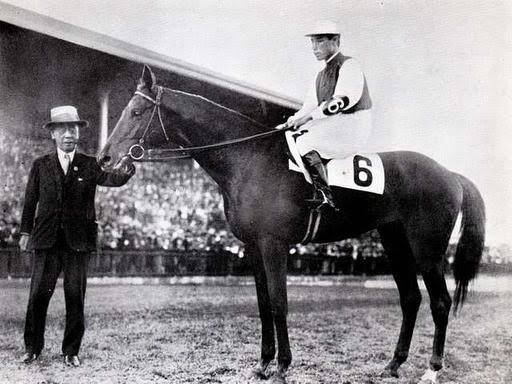
Since opening in 1922, the racetrack has offered one of the oldest forms of sports entertainment:
Thoroughbred racing.
A day at Ellis Park begins before the race itself.
The crowd gathers.
Programs fold open.
People study horses in the paddock.
The announcer’s voice carries across the track.
Jockeys climb into the saddle.
The horses move toward the starting gate.
Then the doors open—
and for roughly two minutes…
nothing else matters.
That is the power of live racing.
There is no second take.
No editing.
No guarantee that the favorite will win.
And you never know whether the horse standing in front of you is ordinary…
or whether you are watching a future champion before the rest of the world learns its name.
Ellis Park has been part of the careers of accomplished trainers, jockeys, owners, and horses.
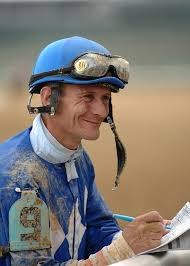
Hall of Fame jockey Calvin Borel won Ellis Park riding titles in 1995 and 2011.
Later, the rider nicknamed “Bo’rail” became famous for hugging the inside rail and won the Kentucky Derby three times—aboard Street Sense, Mine That Bird, and Super Saver.
In 2015, a horse named Runhappy won at Ellis Park before going on to capture the Breeders’ Cup Sprint and recognition as America’s champion male sprinter.
That is what makes Ellis Park special.
You may not realize you are watching greatness when it walks onto the track.
You may only understand it later.
After the major victory.
After the television interviews.
After the horse’s name appears in racing history.
At Ellis Park, the future sometimes arrives without introducing itself. Ellis Park — Watching Fame Before It Happens
Beside Henderson sits another kind of stage.
Ellis Park.
Since opening in 1922, the racetrack has offered one of the oldest forms of sports entertainment:
Thoroughbred racing.
A day at Ellis Park begins before the race itself.
The crowd gathers.
Programs fold open.
People study horses in the paddock.
The announcer’s voice carries across the track.
Jockeys climb into the saddle.
The horses move toward the starting gate.
Then the doors open—
and for roughly two minutes…
nothing else matters.
That is the power of live racing.
There is no second take.
No editing.
No guarantee that the favorite will win.
And you never know whether the horse standing in front of you is ordinary…
or whether you are watching a future champion before the rest of the world learns its name.
Ellis Park has been part of the careers of accomplished trainers, jockeys, owners, and horses.
Hall of Fame jockey Calvin Borel won Ellis Park riding titles in 1995 and 2011.
Later, the rider nicknamed “Bo’rail” became famous for hugging the inside rail and won the Kentucky Derby three times—aboard Street Sense, Mine That Bird, and Super Saver.
In 2015, a horse named Runhappy won at Ellis Park before going on to capture the Breeders’ Cup Sprint and recognition as America’s champion male sprinter.
That is what makes Ellis Park special.
You may not realize you are watching greatness when it walks onto the track.
You may only understand it later.
After the major victory.
After the television interviews.
After the horse’s name appears in racing history.
At Ellis Park, the future sometimes arrives without introducing itself. (Louisiana Sports Hall of Fame)
Johnny Depp and the Simon’s Shoes Legend
And then there is Johnny Depp.
Depp was born in Owensboro.
As a child, he lived close enough to Henderson that a local story has followed him for years.
According to the legend, Depp—or Depp and his mother—came to Simon’s Shoes in Henderson.
Some versions say she shopped there when Johnny was young.
Other versions grew even larger, claiming that Simon’s became the place Depp preferred to buy shoes after he was famous.
Can the story be proven?
Not completely.
No well-known photograph shows a young Johnny Depp sitting in the store.
No famous receipt has surfaced.
Even reports discussing the story describe it as unsubstantiated folklore.
But that uncertainty is part of what makes it such a great Henderson tale.
Because imagine it—
Before 21 Jump Street…
before Edward Scissorhands…
before Captain Jack Sparrow…
before movie premieres and red carpets…
Johnny Depp may have simply been a child inside a Henderson shoe store.
Maybe he was bored.
Maybe he wandered between the displays.
Maybe his mother told him to sit still.
Maybe no one paid attention because there was no reason to.
Fame does not always announce itself when it enters a room.
Sometimes it looks like an ordinary child…
possibly trying on a new pair of shoes.
The Simon’s Shoes story should be told for what it is:
Local folklore.
Possibly true.
Unproven.
And far too interesting to leave out. (WBKR)
(Out of respect for Simon’s Shoes, please refrain from contacting the business regarding this story.
However, if you’re ever in the area and looking for quality footwear, they offer an excellent selection and friendly service.)
A League of Their Own
— Hollywood Comes to Henderson
For years, Henderson residents watched Hollywood movies.
Then Hollywood came here.
In 1991, director Penny Marshall brought production of A League of Their Own to the Tri-State.
The film told a fictionalized story inspired by the women who played professional baseball during World War II.
Much of the baseball action was filmed at Bosse Field in Evansville.
But one of the movie’s most recognizable locations stood in Henderson.
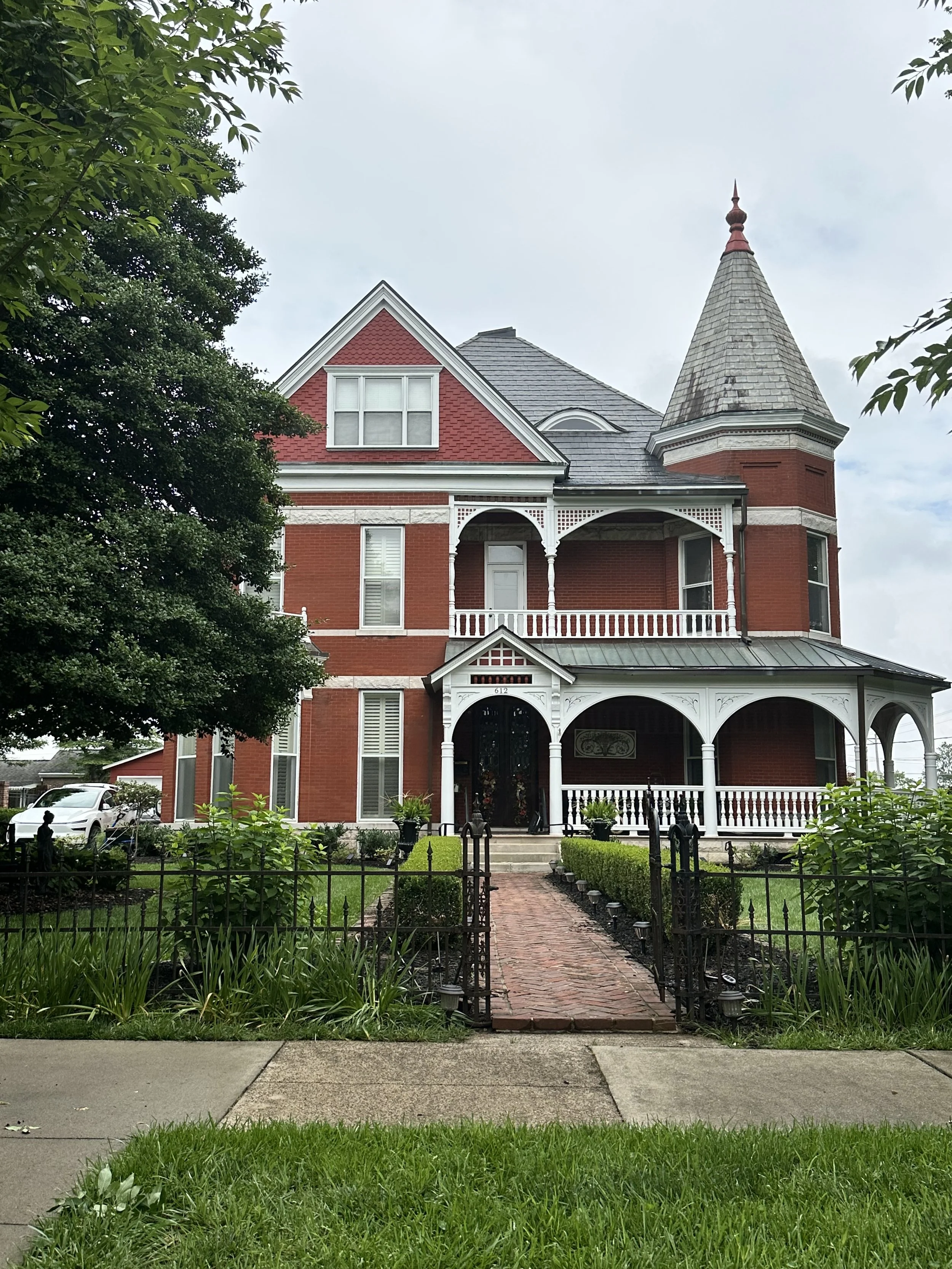
The Soaper-Esser House at 612 North Main Street became the boarding house used by the Rockford Peaches.
A real Henderson home was transformed into part of the movie’s world.
Porches became camera positions.
Rooms became sets.
A quiet residential street became part of a major Hollywood production.
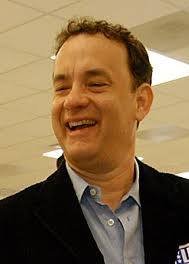
The finished film starred Tom Hanks…
Geena Davis…
Madonna…
Rosie O’Donnell…
and Lori Petty.
But we should be careful when describing who filmed in Henderson.
The house is the confirmed Henderson connection.
Geena Davis and scenes involving the players are associated directly with that boarding-house setting.
That does not mean every famous cast member filmed scenes at the Henderson location.
And Henderson does not need to exaggerate the story.
The truth is already remarkable.
A movie that became an American classic chose a Henderson home.
Millions of people have seen that house on-screen.
Many of them never knew they were looking at Kentucky.
Henderson did not merely inspire the setting.
For those scenes…
Henderson was the setting. (Movie Locations)
The Henry Ford Bed — Another Soaper-Esser Legend
The Soaper-Esser House carries another story—one that belongs to local lore as much as documented history.
The story says automobile pioneer Henry Ford visited the home…
saw a handcrafted bed…
and wanted it.
The owners refused to sell.
For most people, that would have ended the conversation.
But Henry Ford was accustomed to manufacturing things.
According to the Henderson story, Ford later sent craftsmen by train to measure the bed…
study it…
sketch it…
and create a reproduction.
Is every detail documented beyond dispute?
Probably not.
Like many stories repeated through generations, the account may have changed as it traveled.
But the legend survives because it feels perfectly suited to Henry Ford.
A man who transformed American manufacturing encountered something he could not purchase—
so he supposedly had another one made.
Whether remembered as history or folklore…
the bed adds another surprising celebrity connection to the same Henderson house that Hollywood later turned into a movie set.
Traveller
— Ellis Park Goes to the Movies
A few years after A League of Their Own, another Hollywood production chose Henderson.
The film was Traveller—singular.
Released in 1997, Traveller was a crime drama centered on a community of Irish-American con artists.
The film starred two performers who became some of Hollywood’s most recognizable faces:
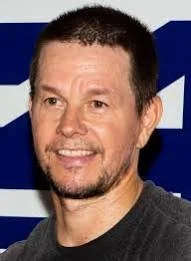
Bill Paxton and Mark Wahlberg.
Paxton was known for movies including Aliens, Apollo 13, and Twister.
Wahlberg was moving from his music career into acting and would eventually become a major Hollywood star.
Ellis Park was used as one of Traveller’s filming locations.
That does not mean we should claim Paxton and Wahlberg personally filmed the Ellis Park scene.
The available location information confirms the racetrack’s use—but not that both stars were present for that portion of production.
The accurate story is still impressive:
A motion picture starring Bill Paxton and Mark Wahlberg chose Ellis Park as one of its locations.
For movie audiences, it became part of the film’s world.
For Henderson residents, it remained recognizable as the same racetrack where generations had watched horses run.
Once again, Henderson did not need to build a movie set.
Hollywood looked at what was already here…
and decided it worked. (IMDb)
Gregg Hale and
The Blair Witch Project
Then Henderson’s connection to Hollywood took a very different turn.
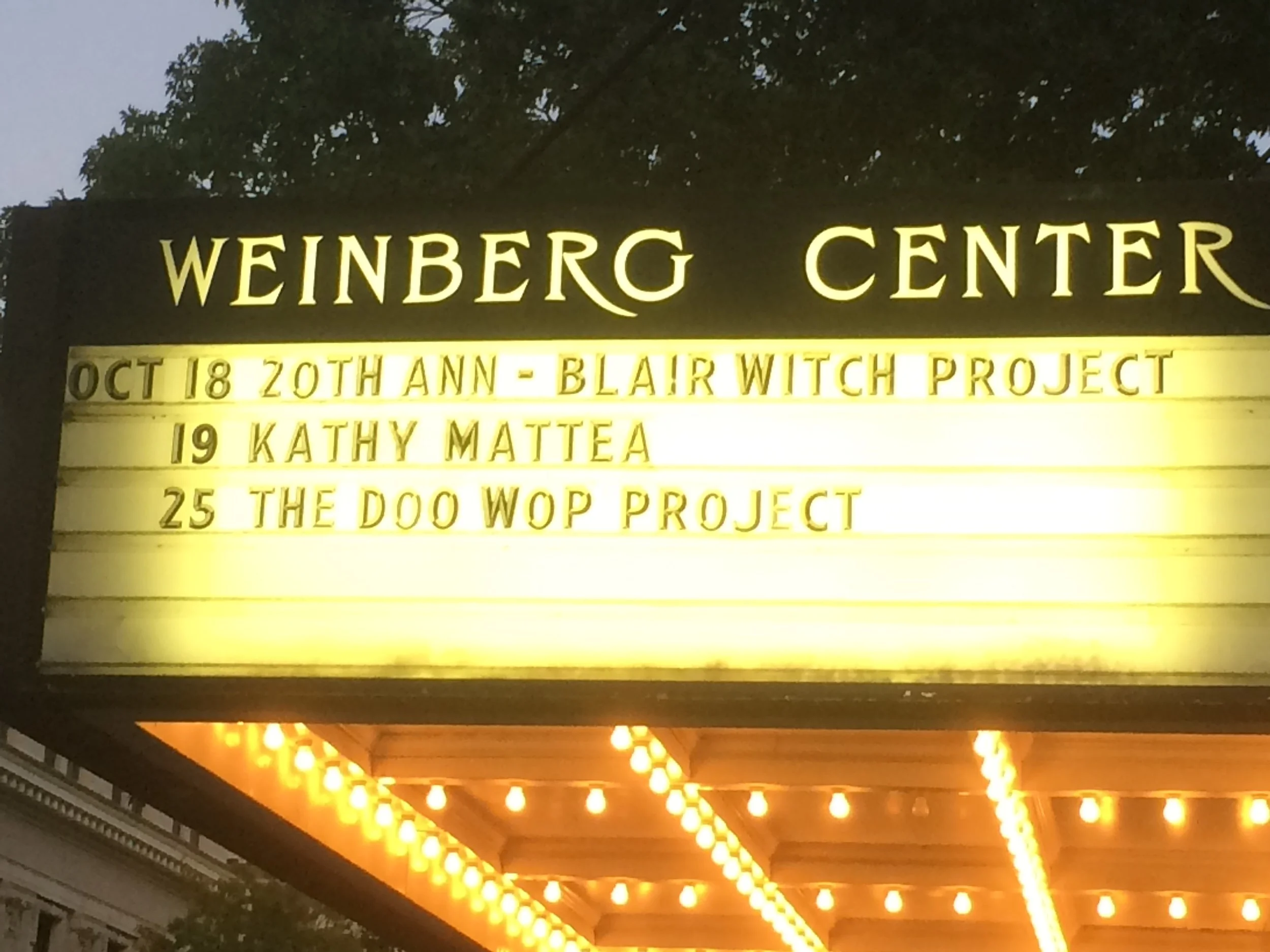
In 1999, The Blair Witch Project became one of the most talked-about movies in America.
The film looked rough.
The cameras shook.
The performers appeared frightened.
There was no traditional movie monster standing clearly in front of the audience.
Instead, the fear came from what viewers could not see.
Even more important was the marketing.
The movie was presented in a way that encouraged some early viewers to question whether the footage might be real.
Were the actors actually missing?
Had someone discovered their tapes?
Was the audience watching fiction…
or evidence?
It was an extraordinary pop-culture trick.
The film cost relatively little to produce but became a worldwide phenomenon, helping popularize the found-footage style that later influenced countless horror movies.
One of its producers was Henderson native Gregg Hale.
Before The Blair Witch Project, Hale had worked behind the scenes on film and television productions.
But this project helped change independent filmmaking.
It demonstrated that a powerful idea…
unusual marketing…
and an audience’s imagination…
could compete with Hollywood budgets.
A filmmaker connected to Henderson helped create a movie that frightened audiences partly by refusing to show them what they expected.
The monster was not the entire point.
Belief was.
And for a while…
millions of people were not completely sure what to believe. (https://www.14news.com)
Henderson’s New Generation of Filmmaking
Henderson’s screen story did not end in the 1990s.
The community has continued attracting independent productions that use its streets, buildings, homes,
businesses, and local character.
Movies such as Halloween Heroes brought filmmakers into the area.
Later, Happy Holly Day connected Henderson with director Sam Irvin and actress
Charlene Tilton—known to television audiences as Lucy Ewing on Dallas.
When modern productions choose Henderson, the city offers something difficult to manufacture on a studio lot.
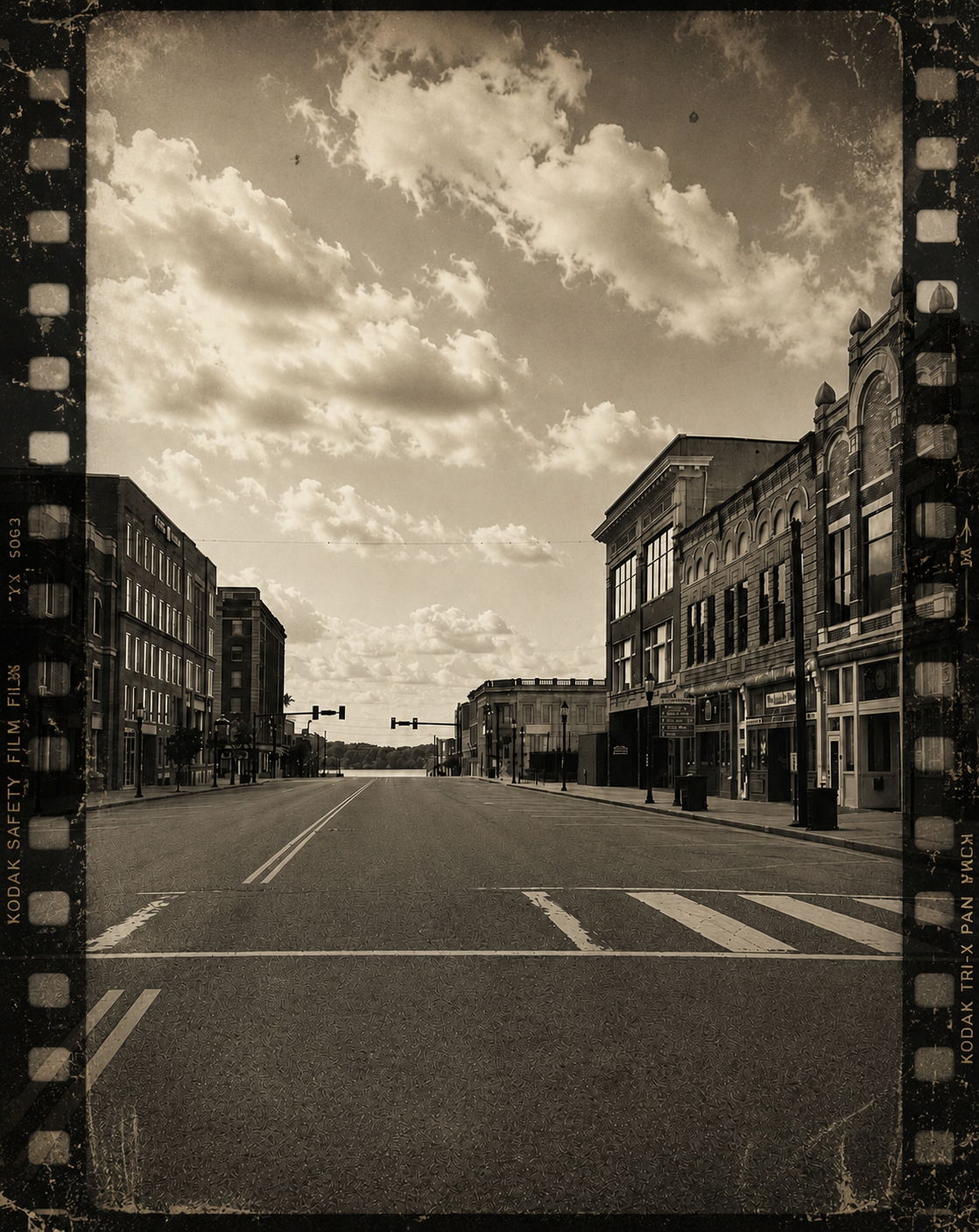
Real streets.
Real houses.
Real storefronts.
A real river town.
In an era when computers can create almost any background imaginable…
authenticity has become its own special effect.
A filmmaker can digitally manufacture a town.
Or they can come to Henderson…
point the camera…
and use one that already has character.
That is why movie production here matters even when the film is modest.
Each production adds another layer to the story.
Another street remembered on-screen.
Another local building preserved inside a movie.
Another moment when residents look through a theater screen or television and say—
“I know that place.”
Other Henderson Entertainment Connections
William Conrad — Actor and iconic television voice.
Rosa Henderson — Blues singer of the 1920s.
Joey Goebel — Internationally published author.
Abby Wathen — Actress and producer.
Closing — Henderson Is Already in the Picture
So what ties all of these stories together?
W. C. Handy listening to sounds beside the river and railroad…
Grandpa Jones carrying Henderson County music onto national television…
Ted Oliver appearing in Hollywood’s early years…
Happy Chandler supporting Jackie Robinson…
Sam Ball standing beneath the Super Bowl lights…
Darrell Waltrip racing before the country knew his name…
Calvin Borel sharpening his skill at Ellis Park…
A future champion horse winning before most people noticed…
Johnny Depp possibly passing through a Henderson shoe store…
The Soaper-Esser House becoming part of A League of Their Own…
Ellis Park appearing in a movie starring Bill Paxton and Mark Wahlberg…
And Gregg Hale helping create one of the most successful independent horror movies ever made.
These stories are not all the same.
Some are firmly documented.
Some live partly in memory.
Some belong to local folklore.
But together they reveal a pattern.
Henderson has always been more connected to American popular culture than it appears.
Maybe it is the river.
For generations, the Ohio carried people…
music…
ideas…
performers…
gamblers…
dreamers…
and stories past this shore.
Maybe it is Henderson’s location—
close enough to larger cities to catch the movement around them…
but distinct enough to remain itself.
Or maybe Henderson simply has a habit of being nearby when something interesting is about to happen.
Whatever the reason…
fame has passed through here again and again.
But in Henderson…
it rarely passes through without leaving something behind.
A song.
A performance.
A championship.
A movie scene.
A local legend.
A house people recognize without knowing where it stands.
So the next time you hear the blues…
watch Jackie Robinson’s story…
listen to an old banjo song…
pass Ellis Park…
walk along North Main Street…
or sit down to watch A League of Their Own…
look a little more closely.
Henderson may not always receive top billing.
Its name may not appear above the title.
But for more than a century…
Henderson has been part of the soundtrack…
part of the cast…
and part of the lime light.
Official Henderson Sources
City of Henderson – History of Henderson
Henderson Tourist Commission
Henderson County History Project
Kentucky Historical Society
Kentucky Historical Marker Database – Happy Chandler
Kentucky Historical Marker Database (general)
Baseball
National Baseball Hall of Fame – Happy Chandler & Jackie Robinson
Baseball Reference
Horse Racing
Ellis Park Race Course
Calvin Borel – Louisiana Sports Hall of Fame
Music
W. C. Handy Blues Foundation
Country Music Hall of Fame (Grandpa Jones)
Film
IMDb – Traveller filming locations
Movie Locations – A League of Their Own
IMDb
Blair Witch
14 News – Gregg Hale feature
Kentucky Tourism
Kentucky Tourism – Henderson feature
Local History & Folklore
The Gleaner (Henderson newspaper archives)
Evansville Courier & Press archives
Henderson Historical Society
Henderson County Public Library Kentucky Room
Oral histories from longtime Henderson residents (for folklore only, clearly identified as such)
Image Credits: All images featured in this work were either taken by Rob Smith, donated for use in this article, or retrieved from public domain and open-access historical sources, including Wikimedia Commons, the U.S. National Guard Bureau, the Library of Congress, the Digital Commonwealth Archive, the Evansville Vanderburgh Public Library, and the Dreamstime Public Domain Collection. All rights belong to their respective creators.
(The Soaper Esser house is a privately owned residence. While you are welcome to view the home from public streets and sidewalks, we kindly ask that you respect the privacy of the residents, their neighbors, and the surrounding community.)